When a loved one is cremated in Utah, the process generally moves through five stages: transfer into care, filing the death certificate, medical examiner review and permit clearance, the cremation itself, and the return of the cremated remains to the family. Most of the time between a death and receiving an urn is spent on paperwork and permit clearance, not on the cremation itself, which typically takes two to three hours.
If you are reading this because someone you love has just died, you do not need to have all the answers right now. You just need to know what comes next, and that someone is handling it with care. This article walks through the cremation process step by step, in plain language, so Utah County families know what to expect at every stage.
What Happens During Cremation, Step by Step
The process begins the moment your family calls. Our team arranges transfer of your loved one into our care, whether from a hospital, a hospice, a care facility, or a private home anywhere within our service area. From there, the paperwork begins.
A death certificate has to be completed and filed before anything else moves forward. Once that is underway, the required state review for cremation begins, and our team keeps it moving. Only after that review clears does the cremation proceed.
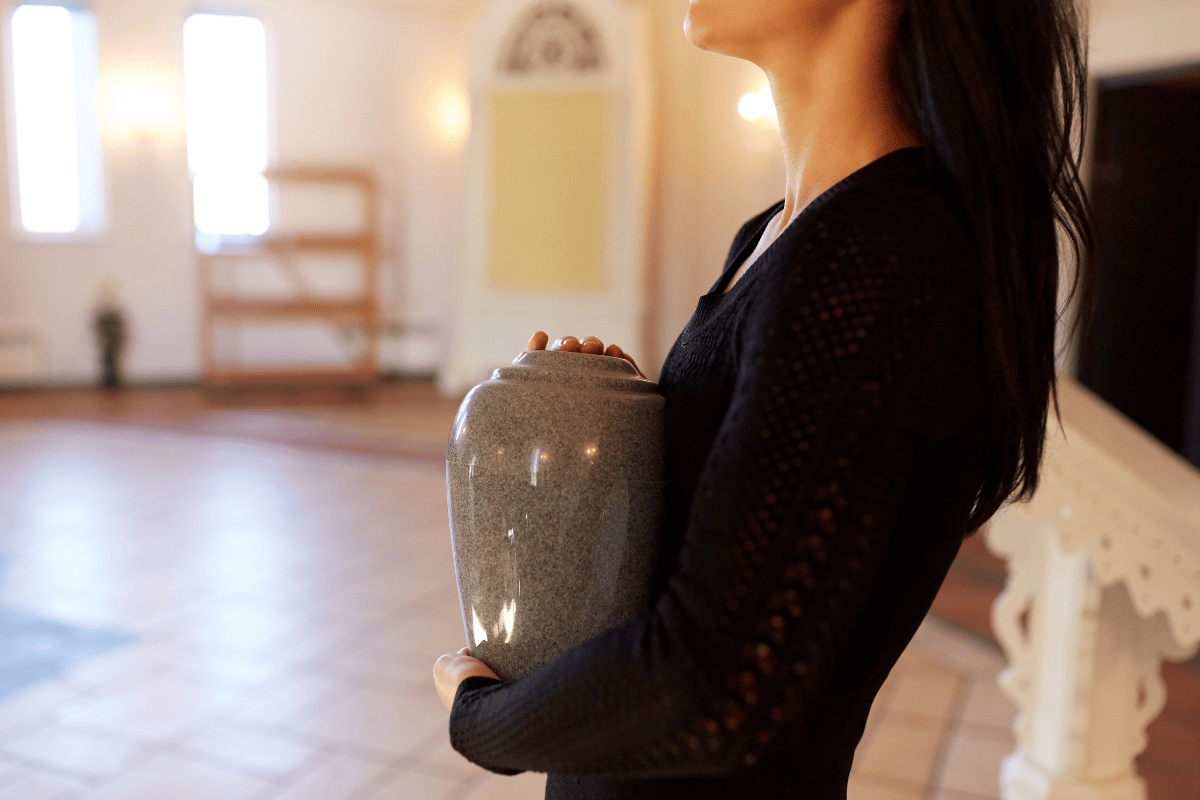
The cremation itself happens at our cremation facility, where your loved one is cared for individually with identification maintained at every step. The cremated remains are then returned to your family, typically in a temporary container unless you have already chosen an urn.
How Long Does Cremation Take in Utah?
Families often ask how quickly cremation can happen after a death. What sets the timing is the paperwork: Utah law does not allow a cremation until there is a signed cremation authorization, the death certificate has been filed and the medical examiner has issued a permit.
In practice, that review through the state's system usually takes a few business days. Our team will give you a clear timeline for your family's situation when you call. The cremation cycle itself is only a small part of that window.
Cremation With a Viewing vs. Direct Cremation
Not every family wants the same thing, and that is exactly why we offer more than one path. Direct cremation means there is no viewing or service beforehand. It is the simplest option, and many families choose it because it lets them plan a memorial gathering later, on their own timeline, once everyone can be together. Our guide on what direct cremation involves
walks through this option in more detail.
Cremation with a viewing or a service gives your family the chance to see your loved one beforehand, whether for a private moment or a more traditional visitation. This path takes a little more coordination, but it is never out of reach. Our guide on cremation with a viewing vs. direct cremation compares both paths side by side. In our experience, the right choice usually comes down to what your family needs to say goodbye, not what tradition expects.
How Just Cremations & Funerals Cares for Your Loved One
Every family we serve gets the same standard of care, whether they choose the simplest direct cremation or a full traditional service. Jason Walker brings over 30 years of Utah funeral experience to every arrangement, and that experience shows up in the small things, clear answers, no rushed decisions, and a team that is reachable 24 hours a day, 7 days a week.
What matters most to us is how families are treated, not just what we do. Whether you are planning from your kitchen table online or sitting across from us in person, the process is the same, transparent and unhurried.
What Utah County Families Should Know About Cemeteries and Keepsakes
Choosing cremation does not mean choosing a single path for what comes after. Many Utah County families inter cremated remains at a local cemetery for a permanent, visitable resting place. Others divide the cremated remains among family members, keep an urn at home, or choose a meaningful scattering location. Our guide on scattering cremated remains in Utah walks through what the law allows.
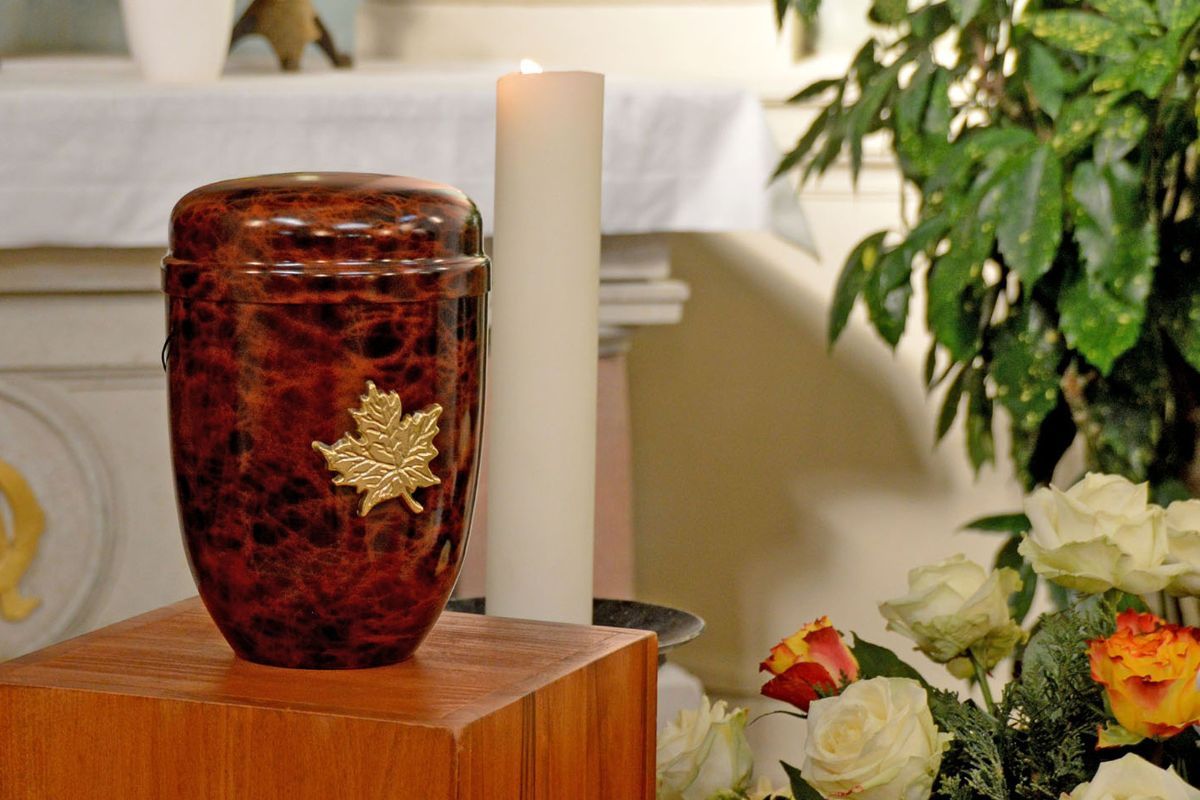
We also help families who want something smaller to hold onto, a parting stone, a piece of thumbprint jewelry, or a memorial keepsake made from the cremated remains themselves. Our guide on choosing an urn and cremation keepsakes can help you decide what feels right. There is no single right answer here. The right one is whatever brings your family peace.
Frequently Asked Questions About Cremation in Utah
How long does cremation take in Utah after someone dies?
The cremation itself takes about two to three hours, but the full process takes longer, because the death certificate must be filed and the medical examiner must issue a permit before cremation can legally proceed. Our team will give you a clear timeline when you call.
Is there a mandatory waiting period before cremation in Utah?
What sets the timing in Utah is the paperwork: before a cremation can proceed, there must be a signed cremation authorization, a filed death certificate and a permit from the medical examiner. Our team will tell you what to expect.
What is the difference between direct cremation and cremation with a viewing?
Direct cremation involves no viewing or service beforehand, letting your family hold a memorial later on your own schedule. Cremation with a viewing gives you the chance to see your loved one first, in a private moment or a more traditional visitation, before the cremation takes place.
Do I need a casket for cremation in Utah?
No. Federal rules do not allow a funeral provider to require a casket for a direct cremation; a simple alternative container can be used instead, and families who want a viewing beforehand can still choose a casket for that purpose if it matters to them.
What happens to cremated remains after the cremation is complete?
Your family decides. Many Utah County families choose interment at a local cemetery, while others keep an urn at home, divide the remains among family members, or choose a meaningful scattering location.
Can we hold a memorial service weeks or months after the cremation?
Yes. That is one of the most common reasons families choose cremation. Because there is no urgency tied to burial, you can wait until out-of-town family can travel and gather, then hold the memorial service whenever it works best for everyone.
Whenever you are ready to talk through any of this, we are here. There is no pressure and no obligation, just a team that knows how to help, available 24 hours a day, 7 days a week at (801) 310-9700. If it is easier to start online, you can also begin an arrangement online
whenever you are ready.