Cremation vs. Burial: How Provo Families Can Choose What Is Right
When a loved one passes away, or when you are planning ahead for yourself, one of the biggest decisions is whether to choose cremation or burial. Both are dignified, time-honored ways to care for someone who has died, and neither is right or wrong. The best choice is the one that reflects your loved one's wishes, your family's values, and your practical circumstances. This guide compares the two options across the factors that matter most, so Provo families can make a confident and peaceful decision.
Understanding the Two Options
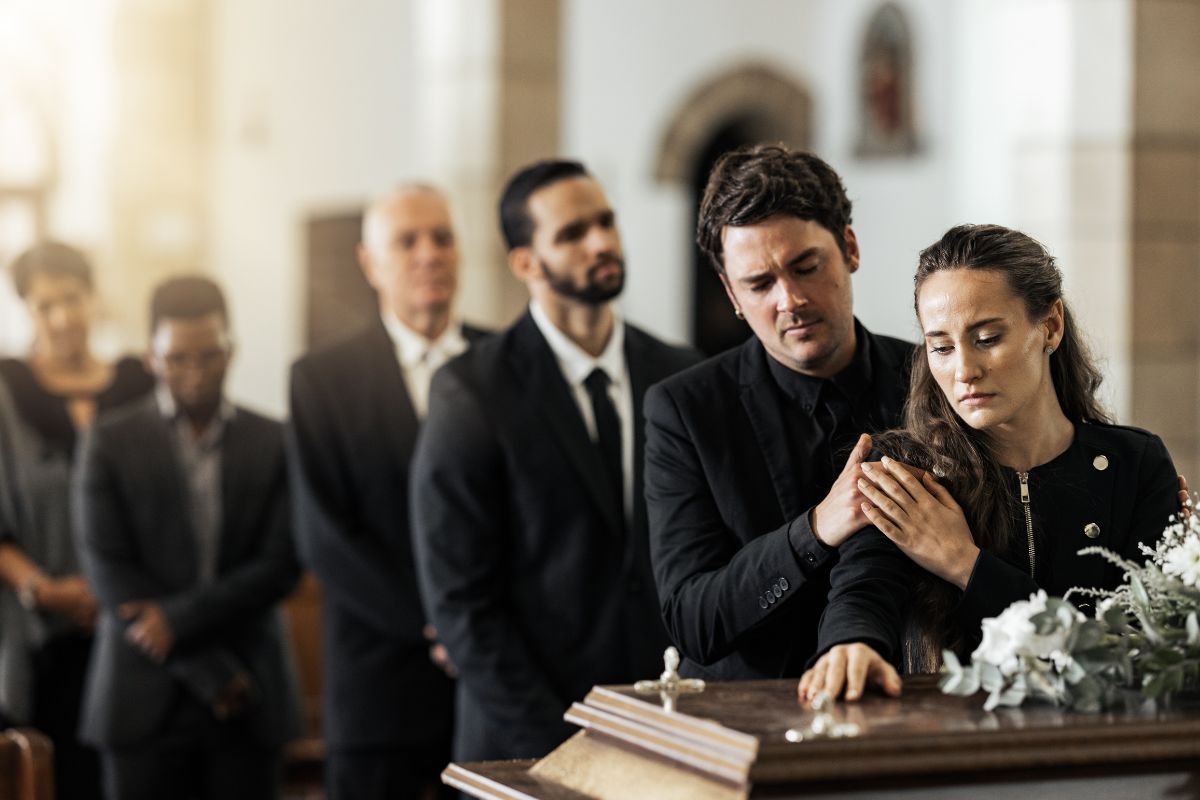
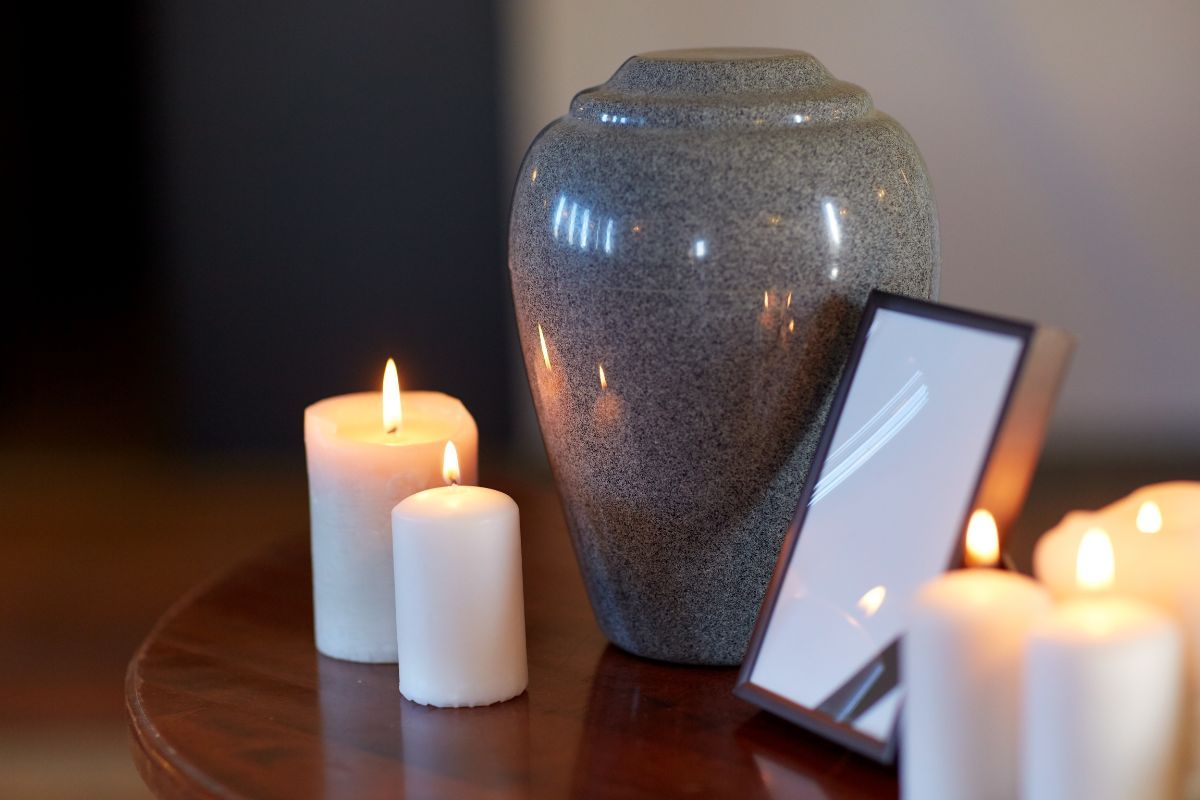
Burial involves placing the body in a casket and interring it in a cemetery plot, usually after a service and often after embalming. It is the traditional practice for many families and faith communities, and it provides a fixed physical place to visit and remember. Cremation reduces the body to cremated remains through heat, after which the remains are returned to the family to keep, scatter, or inter.
At Just Cremations & Funerals in Provo, families can choose either path. You can explore the options on the cremation packages page or the burial packages page, both of which are designed to be affordable and transparent.
Comparing Cost
For most families, cost is a significant factor, and it is one of the clearest differences between the two options. Burial tends to be more expensive because it involves several large purchases: a casket, a burial plot, a grave liner or vault, a headstone, and the cemetery's opening and closing fees. A full traditional burial commonly runs well into five figures.
Cremation, particularly direct cremation, is considerably more affordable. Just Cremations & Funerals offers direct cremation starting at $695, and it also offers affordable direct burial that includes a casket for families who prefer interment. To compare the full costs side by side, the service pricing page lays everything out clearly. If you would like a deeper look at cremation pricing specifically, our guide on how much cremation costs in Provo breaks it down.
Comparing Flexibility
Flexibility is another meaningful difference. Burial usually follows a fixed timeline, with the service and interment happening within a few days. Cremation offers far more freedom. Because the cremated remains can be kept safely, families can hold a memorial whenever they wish, which is helpful when relatives need time to travel or when you simply want space to plan a service that feels right.
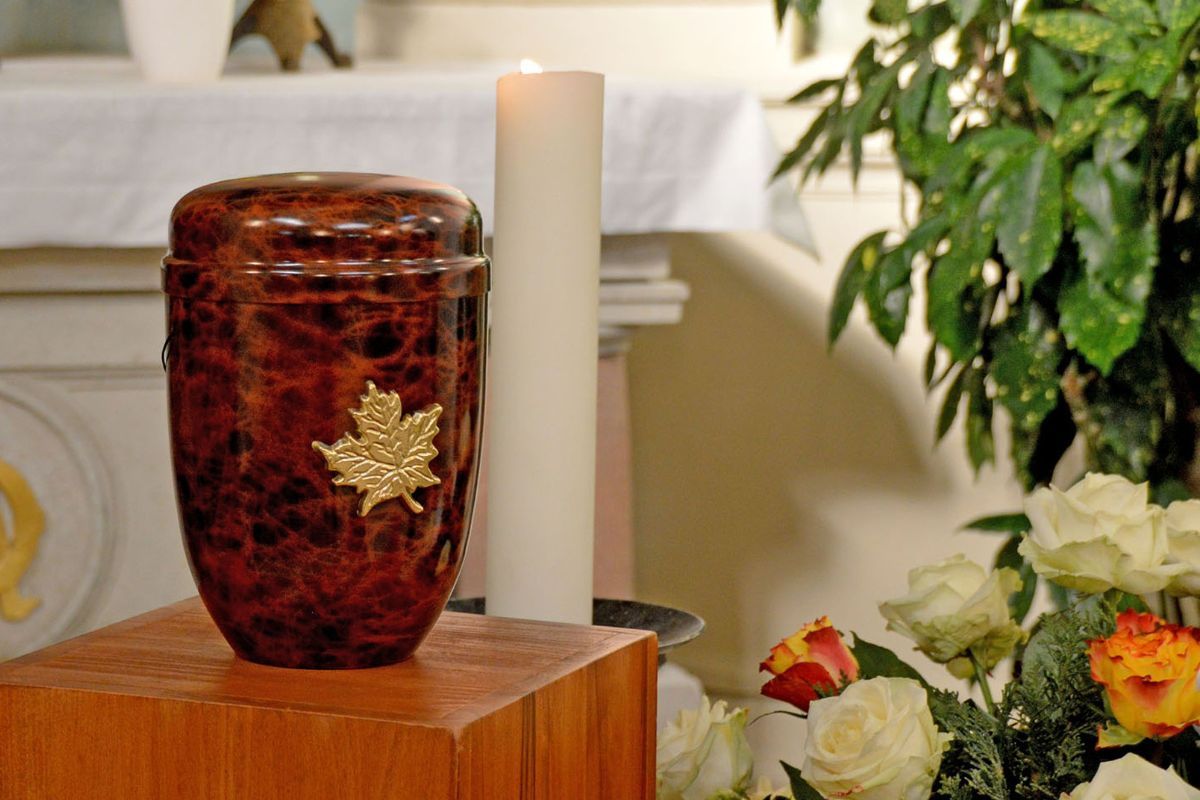
Cremation also opens up more choices for what happens afterward. Families can keep the remains in an urn at home, divide them among relatives, scatter them in a meaningful place, or inter them. Burial, by contrast, fixes the resting place at the time of interment.
Comparing Religious and Cultural Considerations
Faith and culture play a central role for many Utah families. Some religious traditions have long favored burial, while others fully permit or even encourage cremation, and many have adjusted their views over time. If your family observes a particular faith, it is wise to speak with your clergy or community leader about what is acceptable and customary. Honoring those traditions can bring comfort and a sense of continuity during a difficult time.
Comparing the Sense of Place
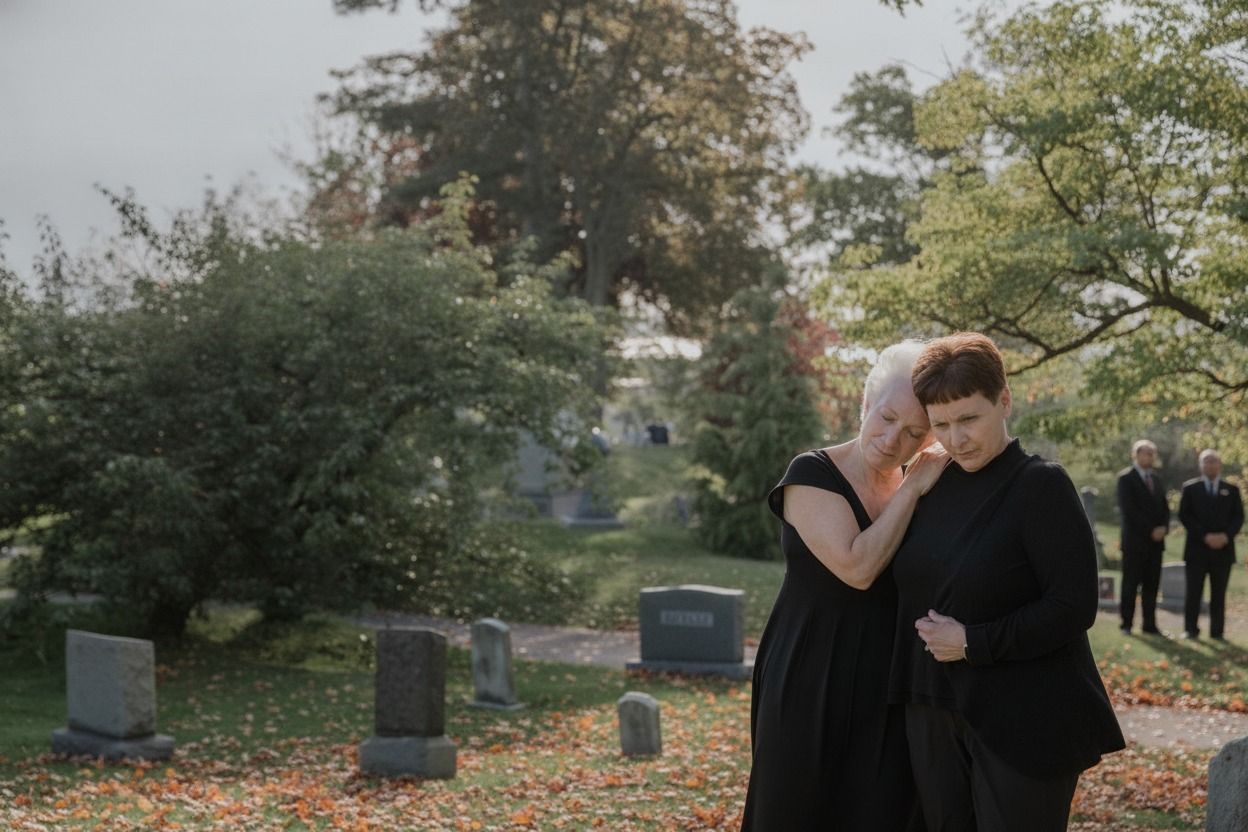
For some families, having a permanent, physical location to visit is deeply important. A cemetery grave offers a fixed place to bring flowers, sit quietly, and feel close to a loved one. Cremation can also provide a sense of place if the remains are interred in a niche or buried, but it does not require one. Families who prefer to keep a loved one close, or who move frequently, sometimes find that cremation suits their lives better.
Comparing Environmental Impact
Some families weigh the environmental footprint of each option. Traditional burial uses land, and embalming introduces chemicals into the process. Cremation avoids the use of a plot and the materials associated with burial. Neither option is free of environmental impact, but many people find cremation to be the lighter footprint of the two. If this matters to your family, it is worth discussing openly.
Questions to Help You Decide
If you are weighing the two options, these questions can guide the conversation with your family:
- Did your loved one ever express a preference?
- What does your budget realistically allow without causing hardship?
- Does your faith or culture favor one option?
- Do you want a permanent place to visit, or would you prefer flexibility?
- Will relatives need time to travel before a service?
- How important is environmental impact to your family?
There are no wrong answers. Talking through these points together often makes the right path clear, and it ensures everyone feels included in an important decision. It also helps to write down whatever you decide, so that your wishes are recorded and easy for your family to follow later.
Choosing Cremation Does Not Mean a Lesser Goodbye
One common worry is that cremation feels less meaningful than a traditional burial. That is simply not the case. A cremation can be accompanied by a heartfelt memorial, a religious service, or a celebration of life that captures everything special about the person you are honoring. If you would like ideas for planning a service, our guide on planning a funeral or memorial in Provo offers gentle, practical suggestions. The ceremony belongs entirely to you, and it can be as intimate or as grand as you wish.
How Just Cremations & Funerals Can Help
Just Cremations & Funerals serves families across Provo and Utah County with compassionate care, affordable and transparent pricing, and round-the-clock availability. Whether you lean toward cremation or burial, the team is glad to talk through your options with no pressure and no obligation. You can begin planning online through the get started page or reach out anytime through the contact page.
Whatever you choose, the goal is the same: to honor your loved one with dignity and to give your family peace during a tender time. Taking the decision one step at a time, with clear information and caring support, makes that far easier to achieve.